

 See My Latest Article on HelloNation
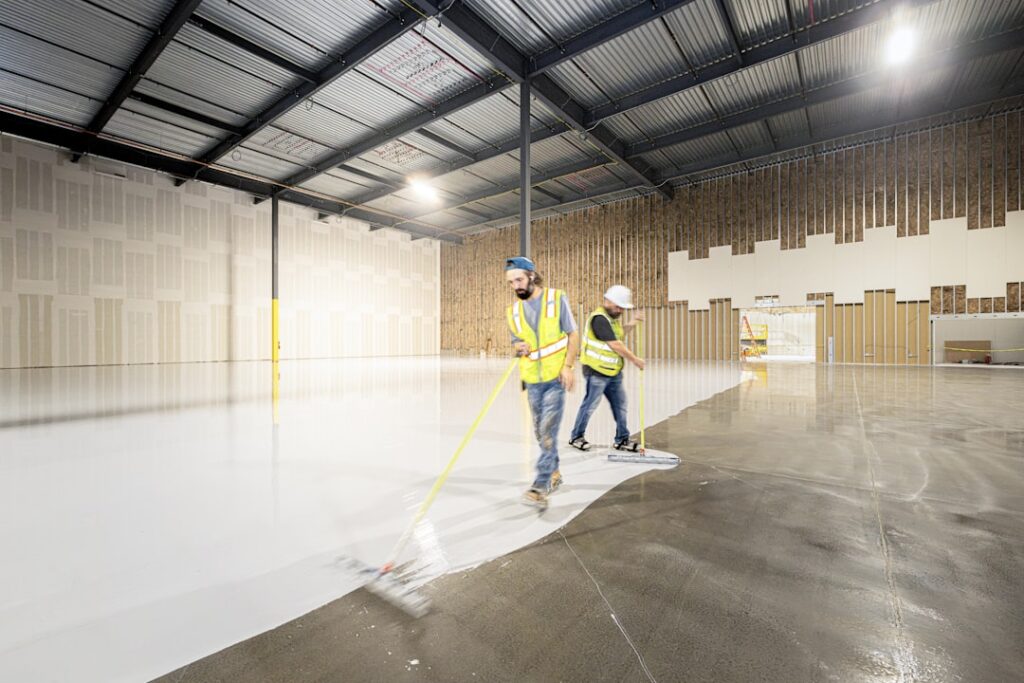
How Can Residents Extend the Life of Industrial Coated Surfaces?
Regular inspection and gentle cleaning are the foundation of preserving coated surfaces around industrial or high-use spaces. These steps address the most frequent local causes of premature wear, like salt buildup from winter roads, humidity fluctuations, and airborne debris.
Industrial coatings serve as protective barriers for metal, concrete, and other materials in manufacturing sites, commercial buildings, garages, and even some residential settings. In Monroe County, changing seasons and lake-effect weather mean surfaces are exposed to moisture, freezes, and corrosive de-icing chemicals most months of the year. Routinely checking for dullness, chips, or discoloration can catch small problems before they become major repairs.
Consider these practical steps:
- Inspect high-traffic or exposed surfaces twice each year
- Use mild detergent and soft brushes to clean coated floors or equipment
- Address spills and de-icing salt promptly in colder months
- Document trouble spots in a central list—this helps catch recurring problem areas
What Cleaning Methods Are Safest for Coated Surfaces?
Use only gentle, non-abrasive techniques to prevent damage to the coating’s protective film. Many residents are tempted by pressure washers, but for industrial coatings, this can do more harm than good, especially at the seam where water can seep underneath.
Wiping with a clean microfiber cloth and a diluted, pH-neutral cleaner is generally safest. Avoid scouring pads, wire brushes, or cleaners that contain ammonia, bleach, or strong solvents unless the coating manufacturer specifically approves them.
For stubborn grime:
- Spot clean with warm water and a soft sponge
- If algae or mildew appears, use a mild solution of soap and water before considering specialty anti-microbial washes
- Rinse thoroughly after cleaning to remove any soap residue
How Do Weather and Environment Affect Maintenance?
The local climate is a key factor in how often and what type of maintenance is needed for coated surfaces. Monroe County winters bring snow, ice, and road salts into workplaces and onto walkways, which can break down coatings over time. Summer humidity and rainfall also accelerate corrosion and can promote organic growth on exterior coatings.
To adapt maintenance to the region’s four-season climate:
- In late fall, remove all debris, leaves, and dirt before snow cover arrives
- In spring, thoroughly rinse surfaces to clear away salt residue
- Monitor shaded or north-facing areas for lingering moisture, which may foster moss or algae
By staying aware of seasonal threats, area households and businesses can better plan when and how to address routine care.
Are There Common Mistakes to Avoid With Industrial Coatings?
Many residents unintentionally shorten the lifespan of coatings by using the wrong cleaning supplies or neglecting small damages:
- Over-cleaning with harsh chemicals can strip away finish or gloss
- Letting standing water sit after cleaning accelerates failure of seams or joints
- Painting over damaged coating without prepping the surface can trap rust or moisture underneath
- Using heavy equipment or dragging sharp objects across coated floors leads to scratches and chips
Instead, opt for minimal, careful cleaning and always repair scratches or chips promptly, as these are entry points for moisture and corrosion.
How Should Chips, Scratches, and Peeling Be Addressed?
Swift attention to defects helps keep the underlying material protected. Small scratches can often be sealed with a compatible touch-up compound or patch kit, designed for the specific coating system in place.

Steps for a quick repair:
1. Clean the damaged area to remove dirt and loose coating
2. Dry thoroughly before applying any patch materials
3. Match coating color and chemistry as closely as possible
4. Apply in thin layers, letting each one cure fully before the next
For extensive peeling or widespread failures, especially where safety or environmental regulations apply, it may be necessary to verify whether local codes require special handling. This ensures repairs align with health and environmental standards.
What Are Signs That More Extensive Maintenance Is Needed?
Prompt routine care will address most small issues, but residents should remain alert to certain warning signs:
- Widespread flaking or bubbling
- Persistent discoloration that does not clean away
- Areas that remain damp, sticky, or soft
- Expansion of exposed patches after weather changes
Any of these can suggest underlying moisture intrusion, substrate failure, or chemical breakdown of the coating. These issues often demand a more thorough assessment, as patching alone may not be enough.
Is There Guidance for Indoor vs Outdoor Coatings?
Indoor surfaces, especially garage floors or industrial facilities, face abrasions from foot traffic, dropped tools, or vehicle tires. Outdoor surfaces contend with a wider variety of threats—sunlight, temperature swings, rain, and snow. While regular cleaning benefits both, outdoor coatings may also require UV-resistant touch-ups and periodic checks after windstorms or freeze-thaw cycles.
Indoors, focus on:
- Swiftly cleaning up chemical spills
- Placing mats in high-wear areas
- Monitoring for condensation in cooler, enclosed spaces
Outdoors, remember:
- Inspect sealant lines and edges for cracks after winter
- Sweep regularly to prevent organic material from breaking down the coating
- Consider annual rinsing in early spring to remove lingering grit and road salt
Awareness of where each surface is located will guide the most effective care routine.