
 See My Latest Article on HelloNation
What Is Rust and Why Does It Form?
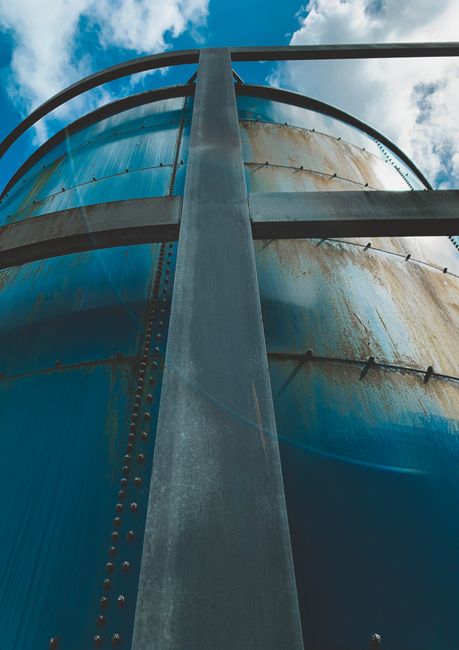
Rust is a type of corrosion that specifically affects iron and steel. It forms when these metals react with oxygen and moisture—an unavoidable combination in most environments. This chemical reaction produces iron oxide, recognizable as the orange or reddish flaking seen on tools, fences, vehicles, and bridges across Monroe County.
The science behind rust is rooted in basic chemistry: when iron is exposed to water (including humidity in the air), it loses electrons to oxygen. This process, called oxidation, results in the breakdown of the metal over time. The more moisture and oxygen present, the faster rust develops.
How Does Monroe County’s Climate Impact Rust?
Monroe County’s climate is particularly conducive to rust formation. The area experiences:
- Significant seasonal temperature swings
- High humidity, especially in warmer months
- Frequent rain and winter snow, with exposure to salt from road treatments
These conditions mean that outdoor and even some indoor metal structures are routinely exposed to moisture, sometimes for extended periods. Freeze-thaw cycles can also trigger cracks in coatings or exposed metal, accelerating corrosion. Local infrastructure, such as bridges and railings, faces enhanced risk, especially where de-icing salts are used.
What Surfaces and Items Are Most Vulnerable?
In Monroe County, residents commonly observe rust on:
- Outdoor railings, fences, and playground equipment
- Backyard grills, lawn furniture, and gardening tools
- Cars and trucks, especially around wheel wells and undercarriages
- Residential and municipal infrastructure such as bridges, fire escapes, and utility poles
The vulnerability increases where protective coatings have chipped, worn off, or were never properly applied. The presence of road salt during winter can make the problem worse for vehicles and anything left outdoors.
What Actually Prevents Rust—And What Doesn’t?
Keeping metal completely dry is the only way to fully prevent rust, but that’s rarely practical in this region. Some common misconceptions include:
- Paint alone does not guarantee protection: Regular household paints might slow rust but are often not designed for long-term exposure to moisture and salt.
- Galvanized or stainless steel doesn’t rust? While these metals have built-in resistance, they can still corrode under certain conditions, such as persistent exposure to harsh chemicals or physical damage.
- Quick fixes, like spraying with WD-40-type products, are temporary: These may displace moisture but can wash away or evaporate, offering little real protection against Monroe County’s weather.
How Do Industrial Coatings Offer Reliable Rust Protection?
Industrial coatings act as a physical barrier, keeping oxygen and water from reaching the metal surface beneath. These specialized coatings come in several forms, often formulated to withstand the distinct environmental challenges found in communities with harsh winters and wet summers.
Key types of coatings used in the area include:
- Epoxy coatings: Excellent for preventing water and chemical intrusion; often used on infrastructure and machinery.
- Polyurethane topcoats: Add UV and weather resistance, useful for surfaces exposed to sunlight and rain.
- Zinc-rich primers: Work by offering a sacrificial layer—the zinc corrodes in place of the steel.
To be effective, coatings must be carefully selected, properly applied, and maintained. For Monroe County residents, this often means choosing a product that specifically notes resistance to moisture, salt, and temperature fluctuations.
What Factors Can Cause Coated Surfaces to Still Rust?
Even with a protective coating, rust can occur if:
- The surface wasn’t cleaned (free from old paint, rust, or oils) before coating
- Application happened during high humidity or inappropriate temperatures
- Coatings were applied too thinly or allowed to dry unevenly
- Physical damage like scratches or chips exposed the bare metal
Regular inspection and touch-up are recommended, particularly after winter or severe weather. Small chips or cracks should be covered promptly, as water can seep in and start corrosion underneath the coating, leading to invisible rust that may go unnoticed until it spreads.
How Can Residents Minimize Rust at Home?
Residents looking to protect metal objects and structures around the home can take several practical steps:
- Store tools and equipment in dry, well-ventilated spaces
- Apply protective coatings to outdoor furniture, grills, and iron railings before the wet season
- Rinse vehicles regularly in winter to remove salt buildup, especially underneath
- Check for and promptly address chips or scratches in coatings on outdoor metal
For household do-it-yourself projects, always follow the instructions related to surface preparation, weather conditions, and drying times. Skipping these steps can lead to premature coating failure.
Local Regulations and Environmental Considerations
Some coatings contain chemicals that may be regulated or require special handling during application or disposal. Residents in Monroe County should be aware of local guidelines concerning:
- Disposal of leftover paints and solvents at hazardous waste collection sites
- Use of coatings on public or historic structures, which may have additional restrictions
Checking for current recommendations from municipal or county websites can help ensure compliance and minimize environmental impact.