

 See My Latest Article on HelloNation
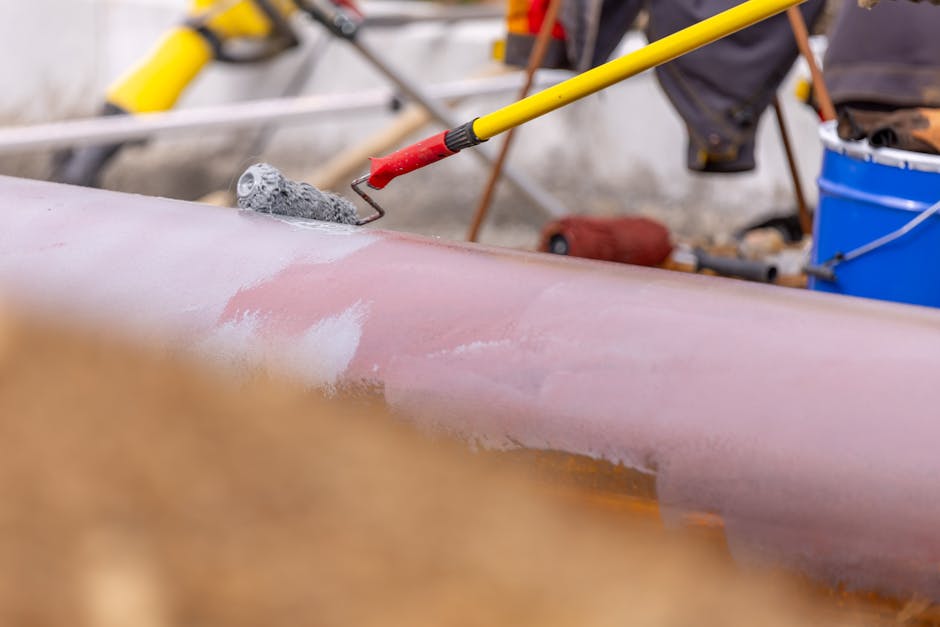
Monroe County, NY, is known for its rich industrial heritage and vibrant lifestyle, hosting an array of businesses from high-tech manufacturing hubs in Rochester to agricultural operations in the surrounding rural towns. Amidst our bustling economy and the often harsh upstate weather, metal infrastructure forms the backbone of local industry—from machinery and equipment to bridges and storage silos. A foundational yet often overlooked aspect of preserving these vital assets is the application of industrial coatings. But how exactly do industrial coatings protect metal surfaces, and why is this so important in Monroe County’s unique environment? Let’s explore.
Why Metal Surfaces Need Protection in Monroe County
Our location in upstate New York subjects metal assets to a variety of environmental challenges:
- Intense freeze-thaw cycles in winter
- Significant humidity during the spring and summer
- Exposure to road salt (especially in cities like Rochester)
- Acid rain and air pollution from both urban and rural sources
These conditions can accelerate natural corrosion and deterioration of unprotected metals, leading to safety hazards, costly repairs, and premature equipment failure.
What Are Industrial Coatings?
Industrial coatings are specialized formulations—often paints, epoxies, polyurethanes, or powder coatings—designed to provide a barrier between metal surfaces and environmental threats. Unlike decorative coatings, industrial coatings focus primarily on performance, durability, and protection.
How Do Industrial Coatings Work?
Physical Barrier Against Moisture and Chemicals
The primary function of any industrial coating is to serve as a shield. When properly applied, these coatings:
- Prevent direct contact between metal and water, oxygen, and corrosive chemicals (such as salt and industrial pollutants)
- Inhibit the formation of rust—the chemical reaction between iron, moisture, and oxygen that leads to flaky, weak metal
In Monroe County, where road salt in winter can rapidly corrode untreated metal infrastructure, this physical separation is crucial to maintaining performance and safety.
Sacrificial Protection
Some coatings employ “sacrificial” metals, such as zinc in galvanizing processes. In this approach:
- The coating will corrode in place of the underlying metal
- This extends the lifespan of the asset even if the coating layer is breached
For example, bridges or outdoor storage tanks in Monroe County often rely on galvanization to cope with our humid and salt-laden air.
Chemical Resistance
High-performance coatings often feature chemical-resistant properties:
- Epoxy and polyurethane coatings resist acids, alkalis, and solvents often encountered in industrial and agricultural settings
- These properties are invaluable in Monroe County’s diverse industries, from automotive manufacturing in Rochester to dairy processing in outlying towns
UV and Weathering Protection
Exposure to sunlight, snow, ice, and wind can cause coatings to fade, crack, or fail. Modern formulations:
- Incorporate UV inhibitors and weather-resistant polymers
- Maintain color, gloss, and protective function over many years
For residents and business owners dealing with Monroe County’s extreme seasonal changes, this ensures their assets maintain structural integrity year-round.
Types of Industrial Coatings Used Locally
Selecting the right type of industrial coating depends on both the substrate (the metal being protected) and the environmental risks present. Some common options include:
- Epoxy Coatings: Excellent for interior environments—such as warehouse floors or interior machinery—offering superior chemical resistance and mechanical durability.
- Polyurethane Coatings: Ideal for exterior applications, combining flexibility, UV resistance, and long-lasting color retention.
- Powder Coatings: Electrostatically applied and baked, powder coatings provide a hard, uniform shell, often favored for park benches, playground equipment, and city infrastructure in Rochester’s many green spaces.
Monroe County’s industrial and public facilities often employ a blend of these approaches depending on location and exposure.
Application and Maintenance: The Local Perspective
Achieving lasting protection relies on expert surface preparation and proper application:
- Surface Preparation: Removal of rust, old paint, oils, and debris ensures the coating adheres effectively. This might involve sandblasting or chemical cleaning, depending on the project.
- Application: Professional contractors use rollers, sprayers, or dipping tanks based on the scale and nature of the asset.
- Regular Inspection: Especially important in Monroe County, where snow-melt, salt, and agricultural chemicals consistently pose threats. Scheduled inspections and touch-ups are key to maximizing protection.
Local companies servicing our area often provide tailored maintenance programs that account for Monroe’s climate, seasonal cycles, and specific industry needs.
Environmental and Economic Benefits
Protecting metal surfaces with industrial coatings offers significant advantages:
- Extended Lifespan: Metal assets last much longer, reducing the frequency (and cost) of replacements.
- Reduced Environmental Impact: Maintenance cycles involve fewer resources and less waste, aligning with Monroe County’s growing commitment to sustainability.
- Improved Safety: Structural failures from corrosion can cause accidents or delays in local industries—proper coatings help mitigate these risks.
- Enhanced Property Value: Well-maintained industrial and public assets contribute to the quality of life experienced by Monroe County residents.
Everyday Examples Around Monroe County
If you drive past the Erie Canal or bike along the Genesee Riverway Trail, you’ve seen the value of industrial coatings in action:
- Bridge beams painted with anti-corrosive coatings to withstand decades of weather
- Playground equipment in Brighton parks with vibrant, chip-resistant powder finishes
- Farm silos and dairy tanks across the county, their steel protected from rust and contamination
Industrial coatings don’t just protect—they help keep Monroe County’s infrastructure, workplaces, and recreational facilities safe, attractive, and enduring.
Conclusion: Making the Smart Choice for Metal Protection
In Monroe County, where climate extremes and industrial activity put metal assets under constant threat, industrial coatings are a smart, essential investment. They safeguard metal surfaces by creating effective barriers, providing sacrificial protection, enhancing chemical and weather resistance, and simplifying maintenance. Whether you’re managing a local manufacturing plant or maintaining public amenities, understanding the protective power of industrial coatings ensures your facilities—and our community—remain resilient for years to come.