

 See My Latest Article on HelloNation
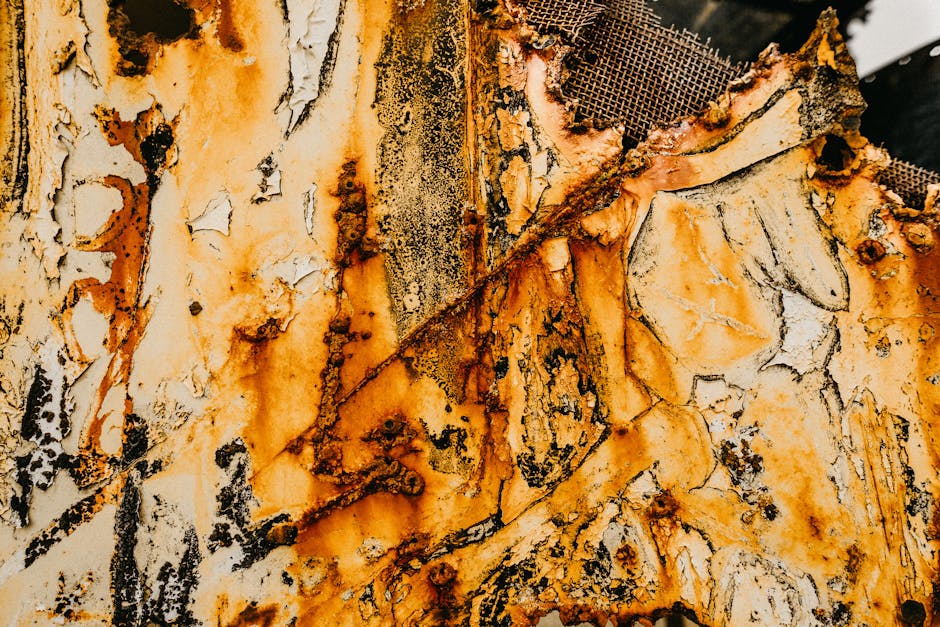
Corrosion might sound like just a technical term, but if you live in Monroe County, NY, you’ve probably encountered it—whether it’s rusting outdoor furniture after a humid summer or flaking paint on bridges you drive over every day. Corrosion is more than just an aesthetic problem; it can impact property values, safety, and industrial operations countywide. If you’re new to the concept or unsure how to protect your assets, this guide will help you understand what corrosion is, why it's especially relevant in our climate, and how you can prevent it.
What Is Corrosion?
At its simplest, corrosion is the gradual destruction of materials (usually metals) through a chemical reaction with their environment. The most common form people encounter is rust, affecting iron and steel when exposed to moisture and oxygen.
In Monroe County, everyday items vulnerable to corrosion include:
- Cars and trucks (especially in winter)
- Fences and railings
- Garden tools and outdoor furniture
- Bridges and infrastructure
- Factory machinery and storage tanks
Why Is Corrosion a Big Issue in Monroe County, NY?
Monroe County’s diverse weather—humid summers, freezing winters, and plenty of lake effect precipitation from Lake Ontario—makes local metal surfaces particularly susceptible to corrosion. Additionally, road salt used during Monroe County’s icy winters accelerates rust, especially on vehicles and outdoor industrial structures.
Local lifestyle factors that influence corrosion:
- Homeowners love gardening and patios, exposing metal furniture to the elements.
- Businesses rely on transport and storage that can be damaged by salty slush and rain.
- Regular boating and fishing on area lakes put docks and marine equipment at risk.
The Science Behind Corrosion
Imagine you leave a metal garden chair outside through the seasons. The metal interacts with air and, when wet, begins an electrochemical process:
1. Oxygen and water react with iron, forming iron oxide (rust).
2. Salt, either from winter road treatments or lake water, speeds up this process.
3. Over time, rust weakens and pits the metal, leading to eventual failure.
The general reaction looks like this:
Iron + Water + Oxygen → Rust
Common Types of Corrosion in Monroe County
- Uniform Corrosion: The entire surface corrodes evenly (think of a rusty railing along the Genesee River).
- Pitting Corrosion: Small holes develop and eat deep into the metal, a major concern for underground pipes and boats.
- Galvanic Corrosion: Two different metals in contact (like steel bolts on aluminum docks) corrode rapidly in moist conditions, especially with salt present.
How Can You Prevent Corrosion?
Knowing how to prevent corrosion can help you save money and prevent future headaches. Here are practical steps for homeowners and businesses in Monroe County to minimize corrosion:
1. Protective Coatings
Applying paints, sealants, or powder coatings creates a barrier between metal and the environment. Industrial-grade coatings are designed to handle Monroe County’s challenging freeze-thaw cycles and salty conditions.
- Use outdoor-rated, corrosion-inhibiting paints for railings, fences, and patio furniture.
- Industrial coatings for storage tanks and machinery help reduce maintenance costs.
2. Regular Maintenance
Routine inspection and cleaning make all the difference:
- Wash vehicles, boats, and machinery frequently to remove salt and grime in winter and spring.
- Touch up any chipped paint or exposed metal on tools and outdoor structures before rust forms.
3. Cathodic Protection
For high-value assets like underground pipes or marina installations, cathodic protection uses electrical currents to stop corrosion. Property owners in Monroe County’s coastal areas and those with basements prone to moisture can request expert help for this option.
4. Use of Stainless or Galvanized Metals
When possible, choose stainless steel or galvanized (zinc-coated) metals for outdoor fixtures and fasteners. These metals resist rust much better in Monroe County’s climate.
5. Proper Drainage and Storage
Standing water speeds up corrosion! Ensure your property has good drainage, especially around foundations and outdoor structures.
- Store tools and lawn equipment under cover whenever possible.
- Make sure boats, docks, and playground equipment have room to dry out between rainfalls and use.
Frequently Asked Questions About Corrosion in Monroe County
Why does my car rust so quickly here?
Monroe County uses salt and brine on roads during icy conditions, which sticks to car underbodies and rapidly causes corrosion. Undercarriage washes in winter and regular waxing help slow the process.
Are certain neighborhoods or areas at higher risk?
Yes—coastal neighborhoods near Lake Ontario experience more humidity, while urban areas may see increased corrosion from industrial pollutants. Any area where salt is spread heavily in winter—be it rural, suburban, or city—faces risks.
How do I protect my outdoor furniture during winter?
Store metal furniture indoors if possible. Otherwise, use waterproof covers and check that paint or coatings are intact. Wipe away snow and pooled water promptly.
What coating lasts longest for high-traffic metal surfaces outdoors?
Epoxy-based industrial coatings or powder coatings are excellent for withstanding Monroe County’s weather and heavy use, from park benches to handrails outside local businesses.
Local Resources and When to Call a Professional
While many corrosion prevention measures are DIY-friendly, Monroe County’s climate can be tough on large or older structures. If you’re overseeing commercial buildings, infrastructure, or heritage property, consider:
- Scheduling yearly inspections for rust-prone areas
- Consulting local industrial coating experts for projects beyond basic painting
- Exploring grants or community programs focused on infrastructure upkeep
The Bottom Line for Monroe County Residents
Corrosion comes with the territory in upstate New York, but knowledge is the first line of defense. By understanding what causes corrosion and using proven prevention methods, both homeowners and businesses can keep property looking good, safe, and valuable for years to come—no matter what Mother Nature brings across the Genesee Valley.