

 See My Latest Article on HelloNation
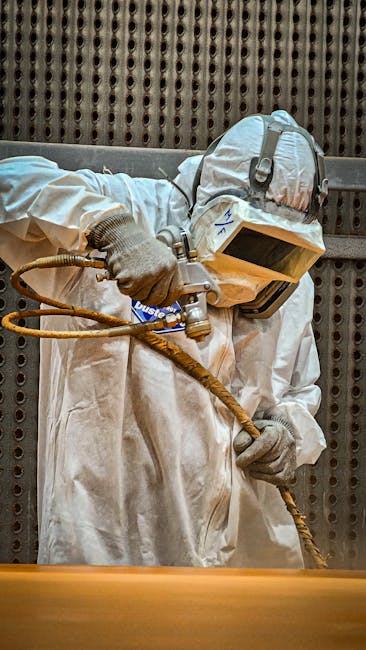
When investing in maintenance or upgrades for facilities in Monroe County, NY, business owners and property managers often encounter the terms "industrial paint" and "protective coatings." To the untrained eye, these may seem interchangeable, but in reality, each serves a distinct purpose in industrial settings, especially in climates like ours in Western New York. Understanding these differences can help local manufacturers, warehouses, and municipal planners select the right solution, minimize maintenance costs, and ensure long-term durability—factors that matter when you want to keep your assets in top shape year-round.
What Is Industrial Paint?
Industrial paint broadly refers to coatings that are designed primarily to add color, improve aesthetics, and offer some basic protection to surfaces. In Monroe County's diverse industrial landscape—from Rochester’s advanced manufacturing hubs to the busy logistics centers in Greece and Henrietta—industrial paint serves as the first line of defense against wear and tear, but it's not always up to the challenge of severe environmental conditions.
- Purpose: Mainly decorative with some minor protection against wear, mild chemicals, and moisture.
- Application Areas: Interior and exterior walls, machinery, pipelines, structural steel, and storage tanks where severe conditions are not expected.
- Finish: Offers a variety of colors and gloss levels to suit branding and appearance needs.
What Are Protective Coatings?
Protective coatings are advanced formulations, typically engineered to deliver higher durability and performance under demanding circumstances. Winters in Monroe County can subject buildings and equipment to freeze-thaw cycles, road salt exposure, and high humidity—all of which threaten to corrode or degrade surfaces. Protective coatings are designed to withstand these hazards and more.
- Purpose: Maximum protection from corrosion, chemicals, abrasion, UV radiation, and harsh weather.
- Application Areas: Bridges spanning the Erie Canal, wastewater treatment plants, food processing equipment, and any infrastructure exposed to Monroe County’s varied environmental stressors.
- Types: Includes epoxy coatings, polyurethane systems, zinc-rich primers, and more—each tailored to unique performance needs.
Essential Differences Between Industrial Paint and Protective Coatings
To further clarify the distinction, let’s look at several factors where these products differ:
1. Performance Expectations
Industrial paints focus on keeping objects looking sharp, with some basic protection against cleaning detergents and mild moisture. Protective coatings, on the other hand, are the guardians of your assets—engineered for environments where failure is not an option, such as manufacturing floors, bridges, or municipal water tanks.
2. Chemical Formulation
Protective coatings often feature multi-component systems (like epoxies or polyurethanes) that chemically bond with surfaces and create a much tougher barrier than traditional paints. Industrial paints may use acrylic or alkyd bases, which are less resistant to chemical attack or corrosion.
3. Surface Preparation Requirements
With Monroe County’s cold winters and humid summers, surface prep is critical. Protective coatings typically require stringent surface cleaning, blasting, or priming to ensure bond integrity. Industrial paints are generally more forgiving and may be applied over less meticulously prepared surfaces, making them a quicker, but less durable, option.
4. Longevity and Maintenance
Protective coatings can extend the service life of equipment and structures by five, ten, or more years—even in aggressive environments like those surrounding Lake Ontario or the Genesee River. Industrial paints, while easier and less costly to apply, may need to be reapplied more frequently, especially outdoors or where chemical exposures occur.
5. Cost and Value
While protective coatings usually come with a higher upfront cost, the long-term savings from reduced maintenance, fewer repairs, and extended equipment lifespan are significant. This makes them especially attractive for municipalities and industrial operators looking to stretch budgets in the face of rising costs.
Real-World Examples in Monroe County, NY
Understanding how these materials work in familiar settings can make the differences clearer:
- Local Manufacturers: Precision machine shops or pharmaceutical facilities around Rochester often choose protective coatings for floors or walls exposed to solvents, caustic cleaners, or heavy forklift traffic.
- Town Water Facilities: The towns of Webster, Brighton, and Irondequoit rely on protective coatings for their water towers and treatment plants, ensuring long-term performance and safety in public infrastructure.
- Historic Structures: Preserving iconic bridges or historic masonry in downtown Rochester sometimes requires specialized protective coatings that provide both historical fidelity and modern performance.
Frequently Asked Questions
Is there a benefit to using both industrial paint and protective coatings together?
Yes. Many projects in Monroe County take a dual-layer approach: a robust protective primer or mid-coat for corrosion resistance, topped with an aesthetic industrial paint for color or branding purposes. This combination balances resilience with appearance.
How do local weather and road salt impact coating choice?
Our freeze-thaw cycles and road salt during Monroe County winters can cause rapid paint failure and accelerate corrosion. Protective coatings offer vital long-term resistance against these unique environmental challenges, making them essential for outdoor or floor surfaces.
How can businesses decide what they need?
Consult with a coatings expert familiar with Monroe County’s climate and industrial needs. A targeted assessment takes into account the substrate type, daily exposure, and maintenance expectations before recommending the right system.
Best Practices for Monroe County Property Owners
- Consult professionals experienced in local conditions.
- Prioritize protective coatings for high-value or heavily used assets.
- Use industrial paint where visual impact is prioritized and exposure risks are minimal.
- Consider lifecycle costs, not just initial price.
Conclusion: Making the Right Choice for Your Monroe County Facility
Selecting the correct surface treatment—be it industrial paint or protective coatings—has a dramatic impact on safety, aesthetics, and cost control. In a region like Monroe County, NY, where climate and industrial activity can stress even the toughest surfaces, knowing the difference helps businesses and municipalities protect their investments and maintain efficient operations.