

 See My Latest Article on HelloNation
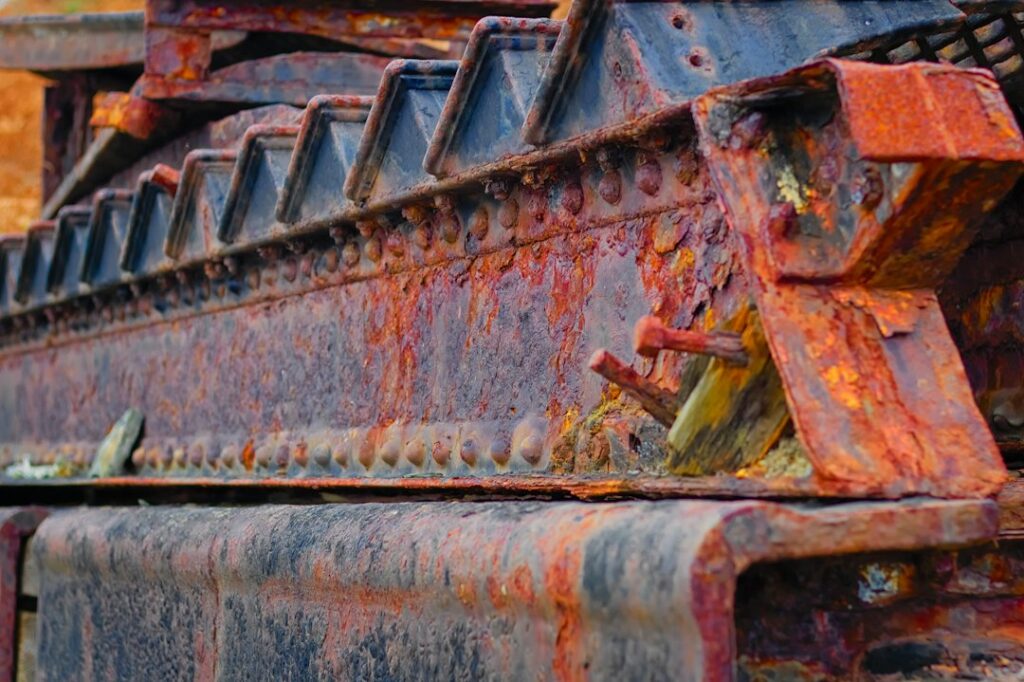
Industrial coatings protect equipment from moisture, chemicals, abrasion, corrosion, heat, and repeated handling. A coating does not always fail suddenly. More often, its condition declines gradually, allowing small defects to develop into rust, leaks, contamination, or mechanical damage.
For equipment owners in Monroe County, NY, seasonal temperature changes, winter moisture, road salt, freeze-thaw conditions, and indoor humidity can all affect coating performance. Knowing what to look for helps determine whether equipment needs cleaning, spot repair, or complete recoating.
What are the earliest signs that a coating is failing?
The first warning signs are usually changes in appearance or texture. Surface changes may seem minor, but they can indicate that the coating is losing adhesion or no longer providing a continuous barrier.
Inspect equipment for:
- Fading, chalking, or unusual color changes
- Blistering or bubbles beneath the coating
- Peeling, flaking, or lifting edges
- Hairline cracks or a web-like pattern
- Scratches that expose bare metal
- Rust staining around seams, fasteners, welds, or drains
- Areas that look unusually dull, rough, or powdery
- Water that no longer beads or drains as it did previously
Chalking is especially easy to overlook. It occurs when the coating surface breaks down and leaves a fine powder. Wiping the surface with a clean, dark cloth can reveal this condition. A small amount of residue may be normal for some older coatings, but heavy powdering often means the surface is weathering and may require evaluation before another coating is applied.
Does surface rust mean the equipment must be recoated?
Not necessarily. A small, isolated rust spot may be suitable for localized preparation and repair. Widespread or returning rust is a stronger indication that the protective system is no longer dependable.
Pay close attention to rust in areas where water collects or remains trapped, including:
- Horizontal ledges and lower edges
- Pipe supports and equipment feet
- Fasteners and welded joints
- Seams, hinges, and access panels
- Drain openings and recessed areas
- Locations exposed to salt, fertilizer, cleaning chemicals, or standing water
If rust is lifting the coating, spreading beneath nearby areas, or appearing soon after cleaning, the problem may extend below the visible surface. Painting over active corrosion usually conceals the issue temporarily rather than correcting it.
How can peeling or blistering indicate a deeper problem?
Peeling and blistering often point to loss of adhesion. The coating may have been applied over oil, moisture, dust, salts, rust, or an incompatible older layer. Moisture can also become trapped between the coating and the substrate, creating pressure that pushes the coating away.
A blister should not automatically be punctured or scraped without understanding the cause. Breaking the surface can release moisture or contaminants and make the damaged area larger. Instead, note whether the defect is isolated or part of a repeating pattern.
A widespread pattern may suggest:
- Poor surface preparation
- Moisture intrusion
- Inadequate drying time
- Incompatible coating layers
- Excessive heat or temperature cycling
- Chemical exposure beneath the film
Equipment exposed to winter condensation or unheated storage conditions may experience these problems even when it is located indoors. Cold surfaces can collect moisture when warmer, humid air reaches them.
When do scratches and impact marks require more than touch-up paint?
A scratch does not always require complete recoating. The deciding factors are the depth, location, size, and exposure of the damage.
A shallow mark in a protected area may only need cleaning and a compatible repair coating. More attention is needed when a scratch:
- Exposes bare steel or another vulnerable substrate
- Extends across a seam or sharp edge
- Appears in a high-wear area
- Allows water to collect
- Is surrounded by lifting or cracked coating
- Results from repeated impacts or equipment movement

Touch-up work should match the existing coating system as closely as practical. Applying an unknown product over a damaged area can create differences in adhesion, color, flexibility, and chemical resistance.
How do local weather conditions affect recoating decisions?
The climate in Monroe County includes cold winters, wet spring conditions, summer humidity, and frequent temperature changes. These cycles can cause equipment surfaces to expand and contract, while snow, ice, and salt increase exposure to moisture and corrosive residues.
Outdoor equipment may deteriorate faster on surfaces that face prevailing weather or receive repeated wetting. Equipment near entrances, loading areas, unheated buildings, or locations where snow and salt collect may need more frequent inspections.
Seasonal inspection is useful:
- In spring, look for corrosion caused by winter moisture and salt.
- In summer, check for chalking, fading, blistering, and heat-related damage.
- In fall, inspect exposed edges, drains, and horizontal surfaces before wet and freezing weather returns.
- During winter, watch for ice buildup, trapped moisture, and damage caused by snow removal or impacts.
The calendar alone should not determine recoating. Actual exposure and coating condition are more reliable indicators.
Can equipment look acceptable and still need recoating?
Yes. A coating can retain an acceptable color while losing thickness, adhesion, or chemical resistance. This is common on equipment exposed to abrasion, washdowns, solvents, oils, acids, alkaline cleaners, or high temperatures.
A visual inspection should be combined with practical questions:
- Does the surface still resist the chemicals it encounters?
- Has cleaning become more difficult?
- Is rust appearing more quickly than before?
- Are operators finding rough areas, flakes, or loose debris?
- Has the equipment’s use changed since the coating was installed?
- Are previous repairs becoming more frequent?
A coating that looks intact but no longer performs its intended function may be near the end of its service life.
What areas are most often overlooked during inspection?
Large, visible panels usually receive the most attention, while concealed or difficult-to-reach areas often deteriorate first. Inspect the underside of equipment, interior corners, backs of brackets, supports, drainage paths, and areas beneath removable covers.
Edges deserve special attention because coatings tend to become thinner there. Welds, bolts, seams, corners, and cutouts can also have uneven coverage or retain contaminants.
Use a flashlight and inspect from several angles. A clean, dry surface makes defects easier to distinguish. Photographs taken from the same locations during each inspection can help track whether a defect is stable or spreading.
Is recoating necessary, or would cleaning and repair be enough?
The appropriate response depends on how much of the coating remains sound.
Cleaning and spot repair may be reasonable when damage is limited, firmly bonded coating surrounds the defect, and corrosion has not spread beneath nearby areas. More extensive preparation and recoating may be needed when peeling, blistering, chalking, rust, or chemical damage covers a significant portion of the equipment.
Recoating decisions should also account for the equipment’s function. Surfaces involved in food handling, potable water, chemical containment, pressure systems, fire protection, or regulated operations may be subject to specific coating and preparation requirements. Hazardous residues, lead-containing older coatings, confined spaces, and elevated work areas require appropriate safety controls rather than casual scraping or sanding.
A useful inspection record includes the equipment location, date, exposure conditions, visible defects, photographs, and any recent cleaning or chemical changes. That information helps distinguish normal aging from an active failure and supports a more accurate decision about repair or recoating.