

 See My Latest Article on HelloNation
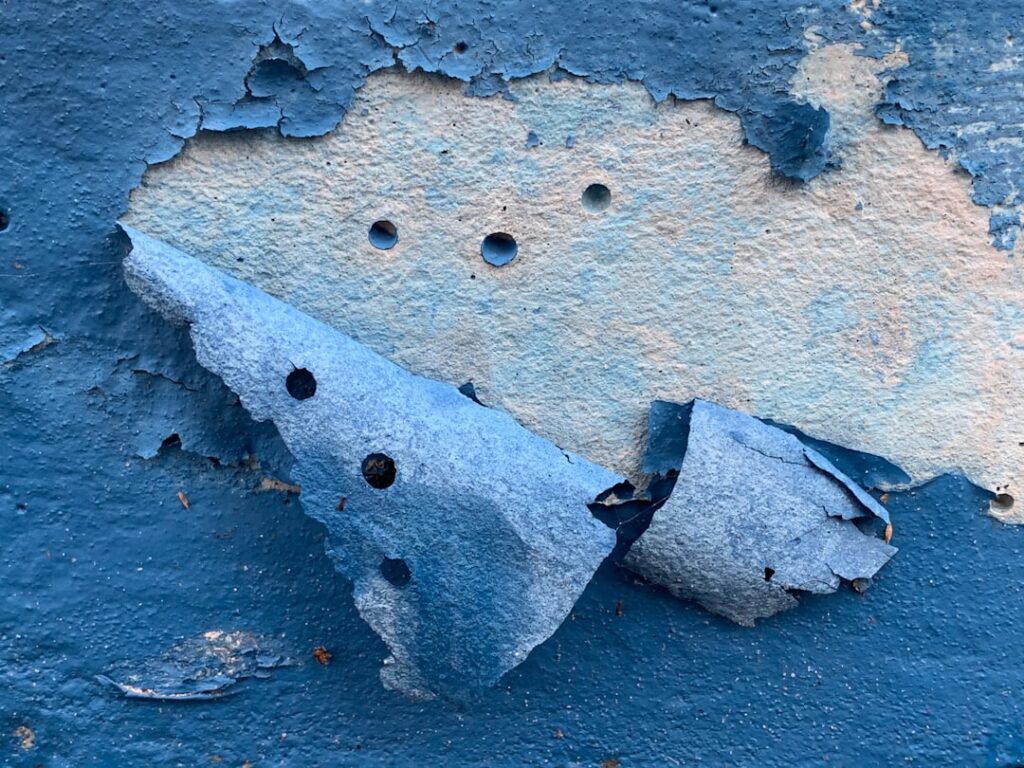
What Causes Paint to Fail in Monroe County, NY Industrial Environments?
Paint applied in industrial settings around Monroe County, NY can deteriorate for a variety of reasons, leading to peeling, blistering, or corrosion beneath the coating. The most common root causes are tied to application conditions, preparation mistakes, material choices, and the unique local climate. Understanding these factors can help plant managers, maintenance crews, and facility owners maintain safe, cost-effective surfaces across manufacturing, warehouses, municipalities, or infrastructure.
How Do Local Climate and Weather Accelerate Paint Problems?
Seasonal changes and moisture cycles in Monroe County affect facility surfaces in several ways. Paint failures often link back to the following weather-related challenges:
- Freeze-Thaw Cycling: The region’s winter-spring temperature swings cause coated surfaces to contract and expand. This mechanical stress can crack coatings or force out water vapor, leading to bubbling or premature peeling—even if the paint was properly applied.
- Humidity and Precipitation: High humidity or airborne moisture during application often prevents paint from curing correctly. Trapped moisture under fresh coatings—common during rainy or foggy stretches—can promote blistering, mildew, or rapid breakdown.
- Salt and De-Icers: In industrial zones near roads or parking areas, salt spray and chemical deicers can seep into paint films, especially on floors and railings, causing delamination, rust, or staining beneath coatings.
What Are the Most Overlooked Surface Preparation Issues?
Much of the paint failure in local industrial sites results from insufficient cleaning or prep work. The surface must be solid, dry, and free of contaminants to allow coating adhesion.
Common prep issues include:
- Residual Dust or Oil: Even minor amounts of dust, grease, or old residue act as a barrier, causing the paint to lift or peel away in sheets. Just sweeping may leave oils behind.
- Incomplete Rust or Scale Removal: Applying paint over rust or loose mill scale might visually hide defects, but the paint generally detaches soon after, especially on structural steel.
- Moisture in Concrete or Masonry: Porous concrete floors and walls may look dry but can retain moisture deep within, which later escapes and disrupts the new film (efflorescence is a frequent problem in older Monroe County facilities).
Are There Application Timing and Technique Pitfalls?
Yes—how and when paint is applied dramatically changes its long-term performance. Several failures are traced back to rushed work or inconsistent techniques:
- Wrong Temperature Range: Applying industrial coatings outside the manufacturer’s recommended temperature range—a frequent issue during spring and fall in the region—can extend dry times or prevent chemistry from working properly, leading to tacky or brittle finishes.
- Inconsistent Film Thickness: Spraying or rolling paint too thin exposes surfaces to corrosion; too thick, and the paint may sag, crack, or dry unevenly. Local crews sometimes struggle with multiple coats in humid barns or cool warehouses.
- Poor Mixing or Pot Life Management: Some industrial coatings set up quickly or require careful mixing. Failing to properly agitate multi-part epoxies or urethanes, or exceeding the product’s “pot life” after mixing, can result in coatings that never cure as designed.
Does Paint Choice Affect Durability in Industrial Spaces?
Selecting the wrong type of coating for a facility’s environment is a frequent but avoidable mistake. Not all paints are suited for the heavy wear or exposure expected in industrial Monroe County settings.
- Mismatched Coating Classification: Using decorative paints on floor traffic areas or interior products outdoors leaves them vulnerable to chemical attack, abrasion, or UV degradation. For example, water-based latexes break down faster in machine rooms or near caustic cleaners than high-build epoxies.
- Skipping Primers or Sealers: Industrial substrates like concrete, galvanized metal, or aged steel nearly always need specialty primers to bond. Skipping these steps might save time but severely limits the expected lifespan.
- Improper Compatibility: New paints sometimes interact badly with prior layers, especially if the old material was oil-based or included fired-on finishes. Testing for compatibility can prevent costly recoating.
How Do Maintenance Routines and Facility Use Alter Paint Longevity?

Factory procedures, cleaning habits, and even workflow patterns impact how coatings age.
- Frequent Washing or Harsh Chemicals: Regularly washing shop floors with strong solvents or pressure washing walls strips softer paints or degrades unprotected edges.
- Physical Impacts: Moving pallets, equipment collisions, or frequent handling of surfaces wear through top layers and expose underlying substrate to moisture and corrosion.
- Localized Moisture Sources: Leaks in older facilities—roof drips, poorly sealed windows, or routine mopping—focus water in predictable spots, speeding failure along trims or baseboards.
Routine inspection and targeted touch-ups, especially over high-traffic zones, help reduce the need for complete repainting.
What Are Common Misconceptions About Paint Durability?
Area facility teams sometimes misjudge how much abuse a painted surface can take or assume any industrial coating is “good enough.” Two persistent myths:
- “All industrial paints are the same.” In reality, some are hard and brittle, while others remain stretchy and impact-resistant. Specifying the exact product makes a clear difference.
- “One thick coat is better than two thin coats.” Multiple thin layers build strength and allow even curing, especially in Monroe County’s variable seasonal humidity.
Recognizing the limitations of fast-drying or generic coatings can prevent frustration and downtime.
What Should Be Checked First If Paint Fails Early?
If coatings fail well before the expected window, start by checking these basics:
- Was the surface clean, structurally sound, and truly dry before work began?
- Did weather or in-facility temperature drop or spike during application or curing?
- Was the proper primer or system specified for the substrate and usage pattern?
- Has ongoing contact with chemicals, moisture, or traffic exceeded what was anticipated?
Validating each of these points helps pinpoint whether a single controllable factor or a combination of issues caused the failure. For critical infrastructure, hazardous materials handling, or if historical paint lead is suspected, consulting municipal guidance or safety authorities may be required to protect both workers and the community.