

 See My Latest Article on HelloNation
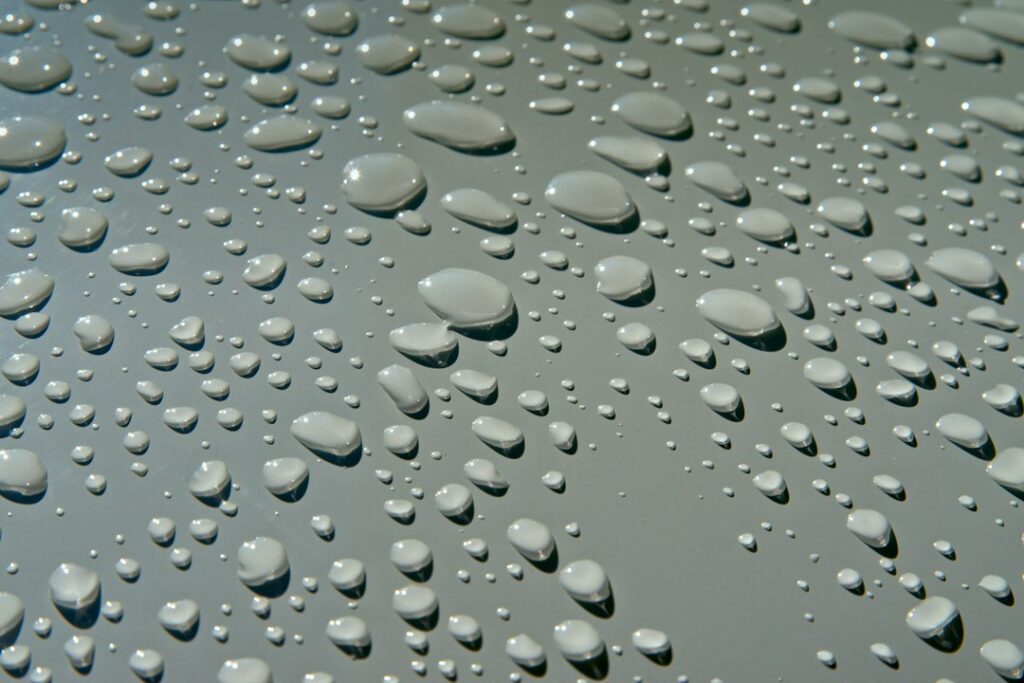
Industrial coatings are often divided into two broad categories: water-based and solvent-based. The main difference is the liquid that carries the coating’s resins, pigments, and additives during application. Water-based coatings use water as the primary carrier, while solvent-based coatings use organic solvents.
Neither type is automatically better. The appropriate choice depends on the surface, exposure conditions, ventilation, drying schedule, appearance requirements, and long-term performance goals.
What is a water-based coating?
Water-based coatings use water to keep the coating fluid enough to apply. As the coating dries, water evaporates and the remaining resin forms a protective film.
Common water-based systems may be used on interior walls, ceilings, masonry, concrete, metal, wood, and certain industrial surfaces. Their performance varies widely. A basic interior coating should not be assumed to provide the same chemical or abrasion resistance as a purpose-designed industrial water-based system.
Advantages of water-based coatings
- Lower odor during application: Water-based products generally produce fewer strong solvent fumes, which can be helpful in occupied buildings, homes, schools, and enclosed work areas.
- Lower volatile organic compound emissions: Many water-based formulations release fewer VOCs than traditional solvent-based coatings, although the actual level depends on the product.
- Faster cleanup: Brushes, rollers, and equipment can often be cleaned with water while the coating is still wet.
- Less yellowing indoors: Some water-based coatings are less likely to yellow over time, particularly in areas exposed to limited sunlight.
- Shorter return-to-use periods: Many products dry quickly under suitable conditions, allowing spaces to be recoated or used sooner.
- Reduced flammability concerns: Water itself is not flammable, although additives and other ingredients may still require safe handling.
Water-based coatings can be practical for interior spaces where odor, occupant comfort, and cleanup are major concerns. They are also increasingly used in settings where lower emissions are part of the project requirements.
Limitations of water-based coatings
Water-based does not mean risk-free or suitable for every surface. A water-based coating can perform poorly if the substrate is damp, contaminated, improperly prepared, or exposed to conditions beyond the product’s design limits.
Potential drawbacks include:
- Sensitivity during early drying: High humidity, cool temperatures, or poor air movement can slow drying and affect film formation.
- Reduced tolerance for moisture during application: Applying a coating to damp concrete, wet wood, or a surface with condensation may cause adhesion or appearance problems.
- Possible corrosion concerns: Water can contribute to flash rust on bare steel if the system is not designed for that substrate or the surface is not properly prepared.
- Variable chemical resistance: Some water-based products do not withstand solvents, fuels, harsh cleaners, or aggressive industrial chemicals as well as solvent-based alternatives.
- Lower performance in certain severe exposures: Constant immersion, heavy abrasion, and outdoor industrial exposure may require a specialized formulation rather than a general-purpose water-based product.
In Monroe County, NY, seasonal temperature changes and elevated indoor humidity during parts of the year can affect drying. A coating that performs well in a warm, dry test area may need more careful scheduling in an unheated garage, basement, warehouse, or exterior setting.
What is a solvent-based coating?
Solvent-based coatings use materials such as mineral spirits, aromatic solvents, or other organic liquids to keep the coating workable. The solvent evaporates as the film dries, leaving behind the resin and other solids.
These coatings have long been used for structural steel, machinery, industrial floors, equipment, tanks, exterior metal, and surfaces requiring strong resistance to moisture or chemicals. Modern solvent-based products vary considerably, so the label and technical data sheet matter more than the general category alone.
Advantages of solvent-based coatings
- Strong wetting and flow: Many solvent-based coatings spread smoothly and can wet out properly prepared metal and other dense surfaces.
- Good moisture tolerance during curing: Certain formulations are more forgiving than water-based products when humidity is present, although surface condensation remains a serious problem.
- Durability in demanding environments: Solvent-based systems may offer strong resistance to abrasion, oils, fuels, chemicals, and repeated cleaning.
- Excellent penetration in some applications: Certain coatings can penetrate porous materials or lightly weathered surfaces more effectively.
- Longer working time: Slower evaporation may allow the coating to level and reduce brush or roller marks.
These characteristics can make solvent-based coatings useful for exposed metal, industrial equipment, and areas where chemical or mechanical resistance is more important than low odor.
Limitations of solvent-based coatings
Solvent-based systems also create practical challenges.
- Stronger odors and vapors: Adequate ventilation is essential, especially in basements, mechanical rooms, garages, and enclosed industrial spaces.
- Higher fire and ignition concerns: Many solvents are flammable. Smoking, open flames, sparks, heaters, and some electrical equipment can create hazards.
- More demanding cleanup: Cleanup commonly requires the specified solvent rather than water.
- Longer odor persistence: Even after the surface feels dry, residual vapors may remain.
- Potential yellowing: Some solvent-based coatings can yellow indoors, especially in areas with limited natural light.
- Regulatory and workplace considerations: VOC limits, waste handling, respiratory protection, and ventilation requirements may affect how and where these products are used.
A solvent-based coating should never be selected solely because it is considered “tougher.” The product must match the substrate, exposure, and safety conditions.
Which coating performs better outdoors?
The answer depends on the specific product and exposure. Solvent-based coatings may provide strong moisture and chemical resistance, but high-quality water-based systems can also perform well outdoors when properly formulated and applied.
Exterior performance depends on more than the carrier liquid. Important factors include:
- Ultraviolet exposure
- Freeze-thaw cycling
- Rain and standing water
- Salt and deicing materials
- Surface movement
- Abrasion and impact
- Temperature during application and curing
- Quality of surface preparation

For local exterior work, the coating schedule should account for cold weather, overnight dew, spring moisture, summer humidity, and rapid temperature changes. A surface may appear dry while still being too cool or damp for reliable adhesion.
Is water-based safer than solvent-based?
Water-based coatings are often easier to use in occupied spaces because they generally produce fewer strong vapors and simplify cleanup. However, “water-based” does not mean harmless. Some products contain preservatives, co-solvents, biocides, or other ingredients that require ventilation and skin protection.
Solvent-based coatings typically require greater attention to vapor control, ignition sources, and personal protective equipment. Safety information should come from the product’s safety data sheet, label, and application instructions.
For either type:
- Provide appropriate ventilation.
- Keep products away from children, pets, flames, and ignition sources.
- Use gloves and eye protection suited to the product.
- Do not mix coatings or cleaners unless the manufacturer specifically permits it.
- Store and dispose of leftover materials according to local requirements.
How should a homeowner or facility manager choose?
Start with the service conditions rather than the coating category. Ask what the surface will experience after the coating cures.
A water-based coating may be a reasonable fit when the project involves:
- Interior walls, ceilings, or lightly used spaces
- Lower odor requirements
- Fast cleanup
- Limited chemical exposure
- Controlled temperature and humidity
A solvent-based coating may be more suitable when the project involves:
- Bare or prepared metal
- Heavy abrasion
- Oils, fuels, or industrial chemicals
- Exterior equipment
- Repeated washing or harsh cleaning
- Conditions where the product’s moisture tolerance is valuable
Surface preparation remains critical for both systems. Dirt, oil, loose paint, rust, chalking, salts, and moisture can cause failure regardless of whether the coating is water-based or solvent-based.
The most reliable selection comes from comparing the technical data sheet with the actual conditions: substrate type, temperature, humidity, ventilation, expected service life, chemical exposure, and maintenance practices. In many cases, the best system is not defined by whether it contains water or solvent, but by whether it forms a durable film under the conditions where it will be used.