

 See My Latest Article on HelloNation
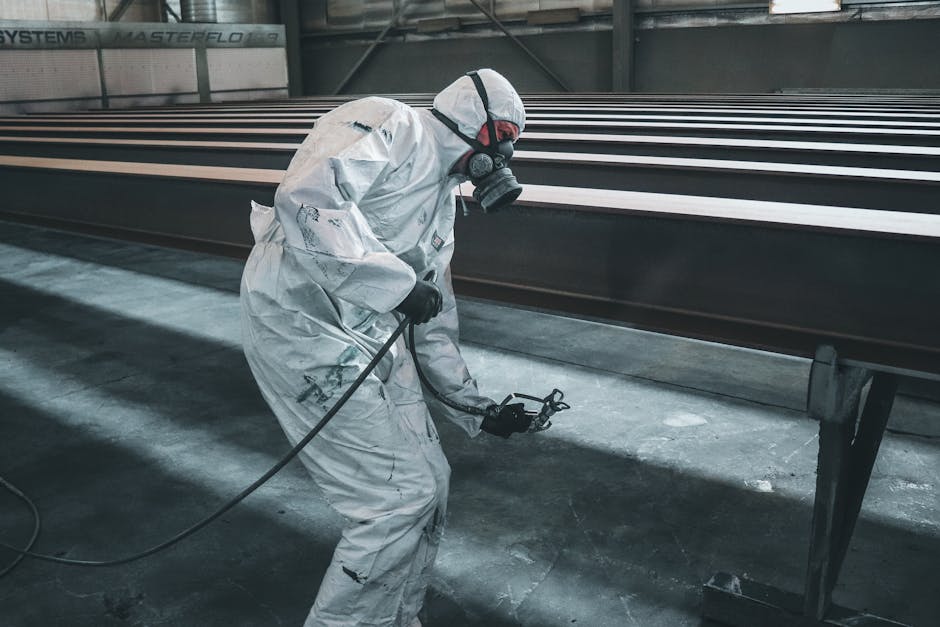
What Are Industrial Coatings, and Why Do They Matter to Machinery?
Industrial coatings are specialized layers applied to the surface of machinery and equipment to shield them from environmental damage and everyday wear. These coatings serve as a barrier against threats like moisture, chemicals, and abrasion—factors that are especially relevant given Monroe County’s variable climate, frequent seasonal transitions, and nearby Lake Ontario’s influence on humidity and precipitation. Residents and facility operators often encounter rusted or corroded equipment when machinery is left exposed or inadequately protected. Industrial coatings directly address these issues.
How Do Industrial Coatings Prevent Rust and Corrosion?
Industrial coatings extend machinery lifespan primarily by stopping rust and corrosion before they start. In Monroe County, where winters bring road salt exposure and summers can be humid, corrosion is a common challenge for both indoor and outdoor equipment. Coatings such as epoxies, polyurethanes, and zinc-rich primers create a seal that keeps out corrosive elements:
- Epoxy coatings bond strongly to metal surfaces, blocking moisture and chemical access.
- Polyurethanes offer flexibility and UV resistance for equipment exposed to sunlight and temperature swings.
- Zinc-rich primers sacrifice themselves to protect the underlying steel, a key defense in salt-prone environments.
Without these protections, uncoated steel surfaces may develop pitting and scale, weakening the structure and causing premature equipment failure.
Can Coatings Help With Abrasion and Physical Wear?
Hard-working machinery in local industrial, agricultural, and municipal operations often faces intense friction, impacts, or abrasive contact. Industrial coatings act as an added layer to absorb or resist this wear.
- In high-traffic settings like factories or warehouses, polyurethane or ceramic-filled coatings prevent gouges, scrapes, or gradual thinning of metal.
- Outdoor or construction equipment frequently benefits from coatings that reduce chipping and surface degradation from dirt, gravel, or ice.
These protective layers don’t just delay replacement; they also minimize unscheduled maintenance and keep machines running safely between routine checkups.
Do Industrial Coatings Save Energy or Improve Efficiency?
Protective coatings can indeed play an indirect role in operational efficiency. Efficiently coated machinery stays cleaner—dust, ice, and oily residues have a harder time sticking to properly finished surfaces. In Monroe County, where freeze-thaw cycles are common, a slick coating can also help shed snow and ice faster, reducing downtime in winter months.
Some specialty coatings even reduce friction in moving parts, allowing motors or mechanical arms to function more easily and with less wasted energy. Keeping surfaces smooth and corrosion-free also cuts down on the mechanical drag that would otherwise force equipment to work harder over time.
How Do Monroe County's Local Conditions Affect Machinery Lifespan?
Climate and environment shape how long machinery stays in service. Monroe County’s proximity to the lake, seasonal snow, and shifts in temperature mean that both indoor and outdoor equipment are regularly tested by the elements. For instance:
- Road maintenance machines experience winter salt spray and snow, making corrosion resistance essential.
- Farm and landscaping equipment sit dormant in wet spring conditions and may be exposed to mud or fertilizer residues.
- Facilities using water treatment or chemical handling deal with high humidity, spills, or reactive substances that will quickly attack unprotected metal or concrete.
Using the right industrial coatings tailored to these local exposures can add years to a machine's serviceable life, preventing sudden repairs or costly part replacements.
Are There Environmental or Safety Benefits?
Protecting machinery with coatings isn’t just about durability. Coatings minimize the release of rust flakes, heavy metals, or other contaminants into the local environment—important for meeting regulations and keeping Monroe County’s water, soil, and workplaces safer.
By making cleaning easier and reducing the frequency of overhaul or replacement, coatings also decrease overall resource consumption. This is especially relevant in the local context, where both businesses and public agencies are expected to meet environmental standards and control maintenance costs.
What Kinds of Coatings Are Most Useful for Monroe County Equipment?
Choosing the right type depends on what the machinery faces:
- Epoxy coatings suit most indoor machinery or where chemical spills might occur, like school boiler rooms or water treatment plants.
- Polyurethane is common on vehicles and outdoor equipment, durable for all-season use.
- Ceramic or abrasion-resistant coatings may be used for moving parts or mechanisms in waste handling, quarries, or snow removal fleets.
Ignoring the need for coatings, or selecting the wrong type, can lead to rapid deterioration and higher long-term expenses—even with regular maintenance.
What Are Common Misconceptions About Industrial Coatings?
Many believe that a single paint layer is enough to protect machinery, but industrial coatings are engineered for specific threats and far surpass cosmetic paints in performance. Another misconception is that coatings are a “set and forget” solution. Even the best coatings require occasional inspection and touch-up, especially in high-use or exposure-prone equipment.
Some also think coatings are only necessary for large-scale industry, but even smaller properties or municipalities in Monroe County, like community centers, school buses, or public works departments, may benefit significantly.
Practical Tips for Local Households and Facility Managers
Residents and facility caretakers can extend machinery life by:
- Inspecting coated equipment at least seasonally, especially after harsh weather.
- Watching for chips, bubbling, or discoloration, which may signal coating breakdown.
- Cleaning machinery gently to avoid scratching or prematurely removing protective layers.
- Storing machinery indoors or undercover when not in use to further preserve coatings.
For specialized equipment or critical infrastructure, always consider local environmental pressures and manufacturer recommendations regarding the best coating solution.