

 See My Latest Article on HelloNation
What Is Sandblasting and Why Is It Used Before Coating?
Sandblasting is a surface preparation technique that uses high-pressure streams of abrasive materials to remove unwanted layers—like paint, rust, or scale—from metal, concrete, and other substrates. This process is widely used in Monroe County, NY as a critical step before applying industrial coatings, primers, or sealants. The primary goal is to ensure surfaces are clean, textured, and ready for optimal adhesion of protective coatings.
Without proper surface preparation, coatings may fail prematurely due to poor bonding, blistering, or corrosion—issues that are especially relevant in areas with variable weather, seasonal moisture, and the freeze-thaw cycles common in the region.
How Does the Sandblasting Process Work?
Sandblasting works by propelling abrasive particles—such as silica sand, steel grit, or glass beads—at high speed onto a surface using compressed air. The impact dislodges old paint, rust, or contaminants and creates a roughened profile. In Monroe County, this is particularly valuable for steel structures, bridges, and equipment exposed to de-icing salts or humid conditions.
Before starting, workers typically:
- Assess the material type and any existing coatings
- Select an appropriate abrasive media for the job
- Set up containment (tarps or enclosures) to manage debris and dust
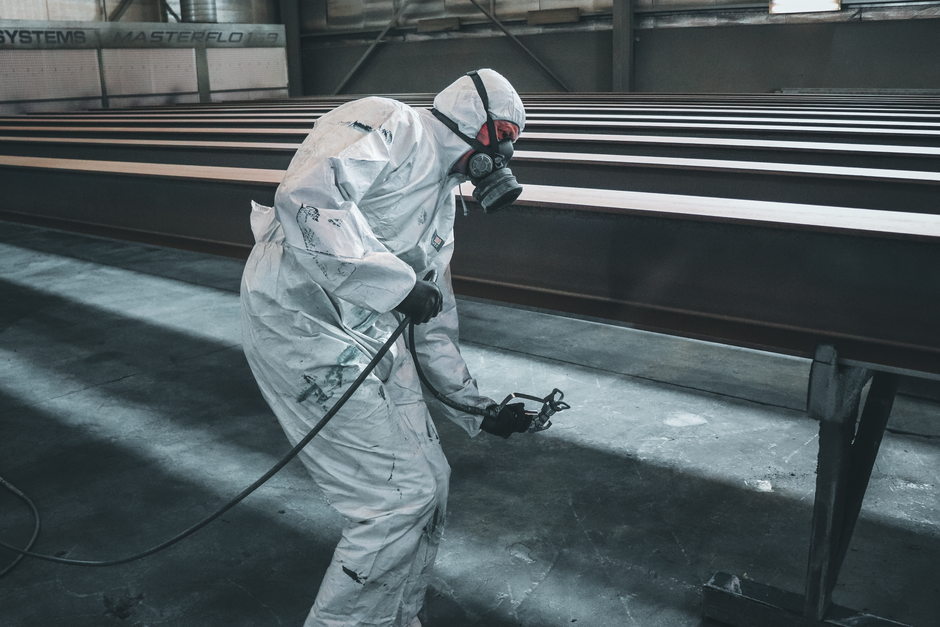
- Use safety gear, including respiratory protection, gloves, and face shields
The result is a bare, textured surface that supports a more durable and uniform final coating.
What Are the Benefits of Sandblasting Over Other Methods?
Compared to alternative cleaning methods—like wire brushing, power washing, or chemical stripping—sandblasting offers several clear advantages:
- Efficiency: Removes layers quickly and evenly, even in hard-to-reach areas
- Surface profiling: Provides an ideal texture for coatings to anchor, increasing their longevity
- Versatility: Works on a variety of materials, including steel, concrete, and masonry
- Thoroughness: Can access crevices and irregular surfaces that manual methods often miss
That said, sandblasting is not always suitable for delicate materials or settings with strict dust control requirements.
Are There Risks or Considerations for Sandblasting in Monroe County?
Sandblasting should be done with caution, especially in residential or densely populated parts of the community. Main concerns include:
- Dust and debris: Fine particles generated during blasting can affect air quality; containment and clean-up are essential
- Noise: The process is loud enough to require personal protective equipment and may disrupt nearby households or businesses
- Surface damage: Over-blasting can gouge softer surfaces or thin metals if not carefully controlled
- Waste disposal: Used media and removed materials must be disposed of in accordance with local environmental regulations
For many larger or regulated projects (like public infrastructure), adherence to local and state guidelines is mandatory.
What Materials and Surfaces Are Commonly Sandblasted Before Coating?
In the Monroe County area, sandblasting is often applied to:
- Steel beams, storage tanks, and machinery exposed to weather
- Concrete floors in parking garages, warehouses, or commercial spaces
- Brick or stone building exteriors to prepare for paint or waterproofing
- Iron railings, metal fencing, and equipment used in farming or manufacturing
Local climate factors, such as winter road salt and spring humidity, create conditions that make periodic surface renewal especially important for both private property and public infrastructure.
How Does Weather and Season Impact Local Sandblasting?
Local weather patterns matter when planning sandblasting. Humidity, temperature, and wind affect both the cleaning process and the curing time of subsequent coatings. For example:
- Cold weather may cause condensation on surfaces, interfering with coating adhesion if blasting is followed too quickly by painting
- Windy days can spread dust, making containment more challenging and possibly requiring additional barriers or cleanup
- Rain or high humidity can lead to flash rusting on steel soon after blasting, so coatings are often applied immediately after surface prep
Residents and facility managers often time major surface prep and coating projects in late spring through early fall to avoid many of these weather-related complications.
Are There Common Misconceptions About Sandblasting?
Some local residents may think sandblasting always uses sand, but modern methods often use alternative media (like slag, glass beads, or even walnut shells) to match the substrate and environmental needs. Another misconception is that sandblasting is inherently damaging—while aggressive if misapplied, careful adjustment allows for precise, controlled cleaning suited for both heavy-duty and more delicate surfaces.
Finally, some believe sandblasting is only for commercial or industrial settings, but it is also relevant for agricultural equipment, garages, and even historic building restoration when done safely and within environmental guidelines.
What Safety Precautions Should Be Taken?
Sandblasting generates airborne particles that can be hazardous. Anyone on-site should ensure:
- Proper respiratory protection is worn at all times, especially in enclosed environments
- Eye and skin protection is used to prevent injuries from media rebound or debris
- Work areas are cordoned off, and warning signs are posted
- Abrasive media and waste are properly collected and disposed of according to local codes
If lead paint or other hazardous layers are being removed, Monroe County regulations may require specific abatement procedures and documentation.