
 See My Latest Article on HelloNation
What does abrasion resistance mean in a coating system?
Abrasion resistance is a coating’s ability to withstand surface wear caused by rubbing, scraping, impact, dragging, or repeated contact. A coating with good abrasion resistance can help protect concrete, steel, wood, and other substrates from gradual material loss and premature damage.
Abrasion is different from corrosion, chemical attack, or water intrusion, although these problems can occur together. For example, a concrete floor may lose its surface because of repeated forklift traffic, while a steel component may suffer both abrasive wear and rust after the coating has been worn away.
A coating system is usually made up of more than one layer:
- A prepared substrate
- A primer or bonding coat
- One or more build coats
- A protective finish coat
The complete system—not just the visible topcoat—determines how well the surface performs.
Where does abrasive wear occur around the home and community?
Abrasion can happen anywhere surfaces experience repeated physical contact. Common examples include garage floors, workshop floors, steps, loading areas, utility rooms, storage spaces, and concrete walks.
In Monroe County, NY, seasonal conditions can increase wear. Snow, ice, road grit, and salt may be tracked onto floors during winter. Grit acts like an abrasive under vehicle tires, boots, hand trucks, and equipment wheels. Freeze-thaw cycles can also create cracks or loose particles that make a coated surface more vulnerable.
Abrasion is not limited to industrial buildings. A residential garage floor may experience wear from vehicle tires and dragged storage containers. A school, apartment building, or public facility may see abrasion from foot traffic, maintenance carts, bicycles, or moving equipment.
How is abrasion resistance measured?
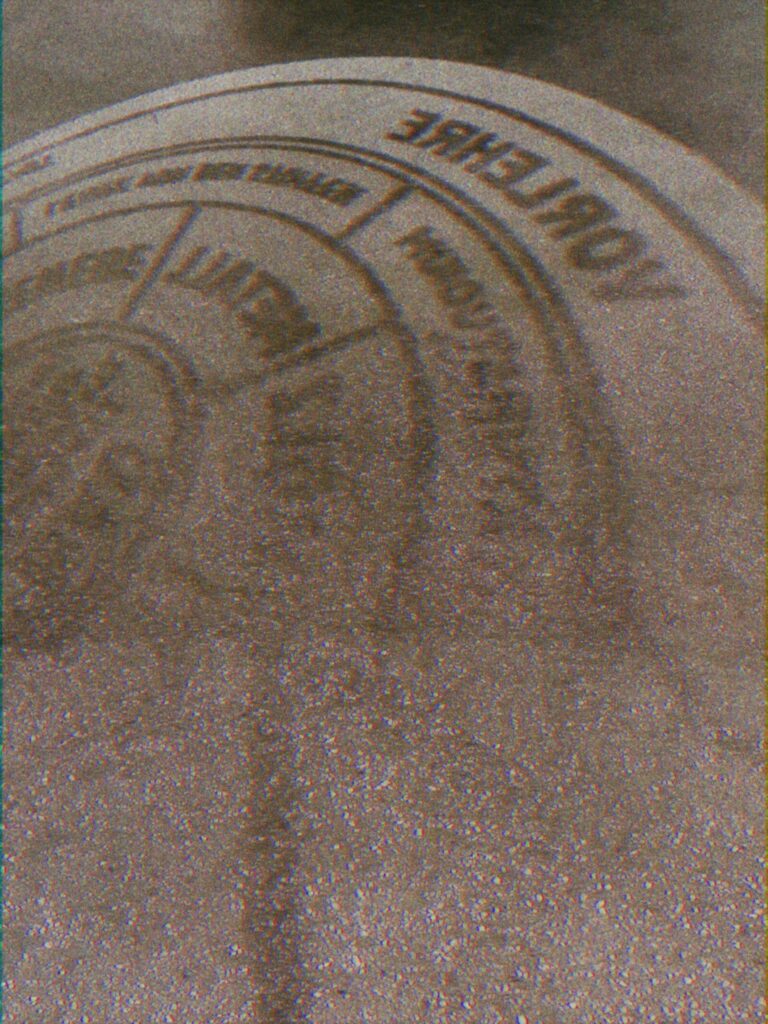
Abrasion resistance is commonly evaluated with a laboratory test that repeatedly rubs an abrasive wheel against a coated panel. One widely used method is the Taber abrasion test.
The test typically measures how much material is lost after a specified number of cycles. Results may be reported as mass loss, coating thickness loss, or another measurement defined by the test procedure. Lower material loss generally indicates better resistance under that particular test condition.
A laboratory result should not be treated as a universal ranking. Test results depend on several variables:
- Abrasive wheel type
- Applied load
- Number of cycles
- Coating thickness
- Surface preparation
- Cure condition
- Temperature and humidity
- Whether the wear is dry or wet
- Whether sand, grit, chemicals, or debris are present
A coating that performs well in one test may not be the best choice for a different type of traffic. Testing is most useful when the procedure resembles the actual service conditions.
Does a harder coating always resist abrasion better?
No. Hardness can improve resistance to scratching and cutting, but hardness alone does not predict total performance.
A very hard coating may resist a sharp object yet crack when the substrate moves. A more flexible coating may tolerate impact and vibration but wear faster under constant dragging. Toughness, flexibility, adhesion, thickness, and resistance to impact all influence how a coating behaves.
The type of abrasive material also matters. Fine dust, rounded sand, sharp gravel, metal edges, plastic wheels, and rubber tires create different types of wear. A surface exposed to rolling traffic may experience less damage than one subjected to sliding contact, even if both receive the same number of passes.
Which coating characteristics affect wear life?
Several coating properties work together to determine abrasion performance.
Adhesion keeps the coating attached to the substrate. If the bond is weak, the coating may peel or chip even if the material itself is hard.
Film thickness provides more material to wear away, but adding thickness does not automatically correct poor preparation or improper curing. Excessive thickness can also create cracking, solvent entrapment, or other defects.
Toughness helps a coating absorb impact without shattering. This matters in areas where tools, equipment, or materials may be dropped.
Flexibility allows the coating to accommodate minor movement or vibration. This can be useful on floors and structures that experience temperature changes.
Chemical resistance becomes important when abrasive particles are mixed with oil, cleaning chemicals, deicing residues, or other contaminants. Chemical softening can make a coating wear more quickly.
Surface texture affects both traction and cleaning. A textured finish may improve slip resistance but can collect dirt and grit, which may increase three-body abrasion as particles become trapped between footwear or wheels and the coating.
Why does surface preparation matter so much?
A coating cannot perform properly if it is applied over a weak, dirty, oily, or poorly prepared surface. Dust, laitance, rust, old loose paint, curing compounds, and moisture can interfere with adhesion.
Concrete surfaces may require mechanical preparation to remove weak surface material and expose a sound profile. Steel may require removal of corrosion and contaminants before priming. Existing coatings need evaluation to determine whether they are firmly bonded or already failing.
Abrasion resistance also depends on proper application. Incorrect mixing, poor coverage, inadequate cure time, excessive moisture, or application outside the recommended temperature range can reduce the coating’s service life.

For that reason, a product labeled “high wear” is not a guarantee of performance. The substrate condition and installation process are part of the coating system.
What is the difference between abrasion, impact, and scratching?
These terms describe related but different forms of damage.
Abrasion is gradual material loss caused by repeated rubbing or contact.
Impact occurs when a surface is struck by a falling object, wheel, tool, or piece of equipment.
Scratching is a narrower form of damage in which a sharper object cuts or marks the surface.
A coating may be strong in one category and weaker in another. A floor coating could resist thousands of foot passes but chip when a heavy object is dropped. Another coating may absorb impact well but show visible scuffing from rubber wheels.
Choosing a system requires identifying the dominant type of wear rather than relying on a single performance claim.
How can abrasion damage be reduced?
Routine maintenance can reduce wear even when a coating has high abrasion resistance. Removing sand, salt, and loose grit helps prevent particles from being ground into the surface. Mats or designated entry areas can reduce the amount of abrasive material carried indoors during winter.
Equipment should be lifted rather than dragged whenever practical. Wheels and casters should be kept clean and in good condition, since damaged wheels can concentrate pressure on small areas. Cleaning products should be compatible with the coating and used according to their instructions.
Standing water should also be addressed. Moisture can weaken some coatings, encourage substrate deterioration, and carry abrasive particles across the surface.
When should an existing coated surface be evaluated?
Evaluation is appropriate when wear exposes the substrate, creates bare spots, produces peeling edges, or causes widespread chalking and thinning. Localized wear may be repairable, but coating over loose or poorly bonded material usually hides the problem temporarily.
Areas with exposed steel can begin corroding quickly, particularly when moisture and deicing residues are present. Exposed concrete may absorb water and contaminants more readily than a sound, sealed surface.
If surface preparation involves abrasive blasting, grinding, or removal of old coatings, dust-control and worker-protection requirements must be considered. Older painted surfaces may contain hazardous materials, and abrasive blasting can create dangerous dust. These conditions require appropriate testing, containment, ventilation, and protective equipment.
What should residents ask before selecting a coating system?
Useful questions include:
- What type of traffic will the surface receive?
- Will contact be rolling, sliding, impact, or a combination?
- Are winter grit, salt, oil, or cleaning chemicals present?
- Is the substrate concrete, steel, wood, or another material?
- Is the surface exposed to sunlight, moisture, freezing temperatures, or heat?
- What preparation is required?
- How long must the coating cure before normal use?
- Is the abrasion test relevant to the actual service conditions?
- How will damaged areas be repaired later?
Abrasion resistance is only one part of coating performance. The most dependable system balances wear resistance with adhesion, flexibility, chemical resistance, slip control, maintainability, and compatibility with the substrate.